The PROJECT
The Whispering Dome is both a concert and an incredible travelling musical festival.
As a concert, it tells the tale of one nightingale’s migration journey from the UK to West Africa, using live performances of early and contemporary music and exciting multimedia projections while imagining the human music she hears rising up from the ground below.
As a travelling music festival, the project will carry its multicultural team of musicians and performers on an extraordinary odyssey from Lagos, Nigeria, through west and North Africa into Spain, Portugal and France, following the nightingale’s northward migration back to their breeding grounds in Northern Europe in early 2028.
The CONCERT

The Whispering Dome concert recreates in lavish detail one nightingale’s heroic migration south through Europe, North Africa and across the Sahara, while imagining the human music she hears rising up from below her on her journey.
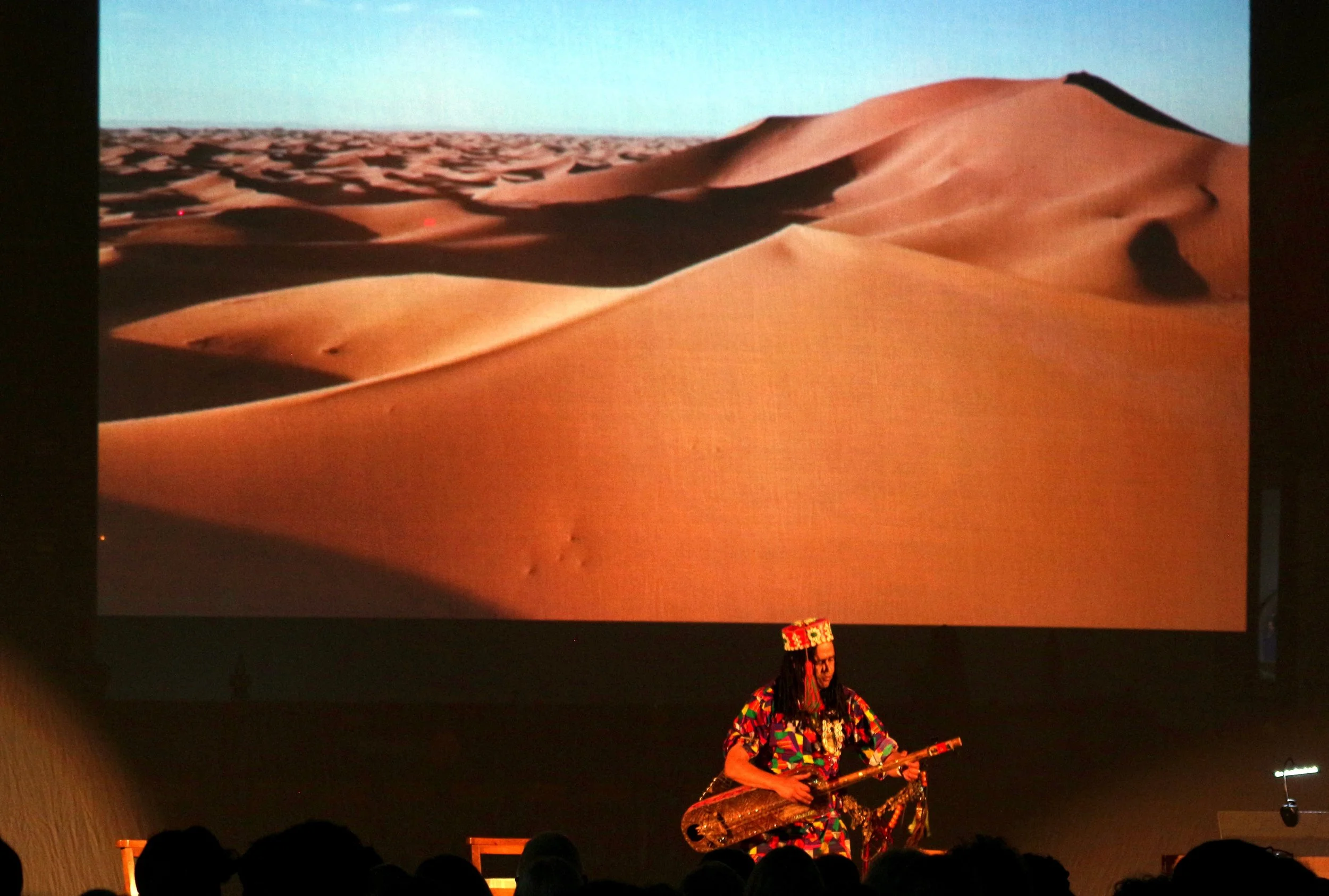
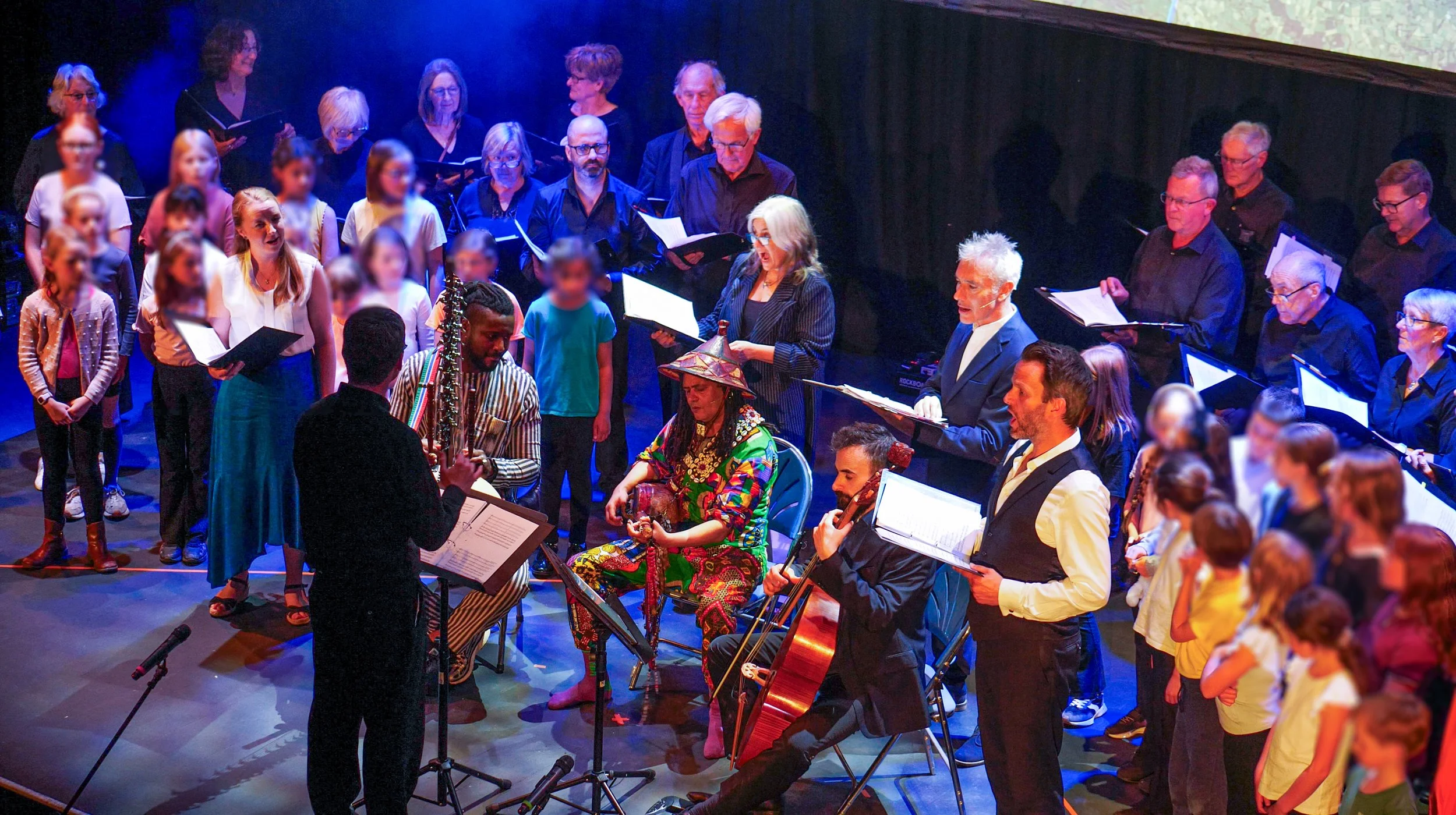
The concert is performed live by seven professional musicians hailing from Europe, the Gnawa tradition of Morocco and the Griot tradition of the royal courts of West Africa.
Ancient love songs from Britain and medieval France sit alongside pilgrims’ tales of journey and devotion; stories from Spain’s Ladino tradition are heard together with songs about birds in Old French, Arabic and Mandinka. Contemporary sounds and new compositions are also woven into this visually and musically stunning concert, creating a unique journey through different times and places.
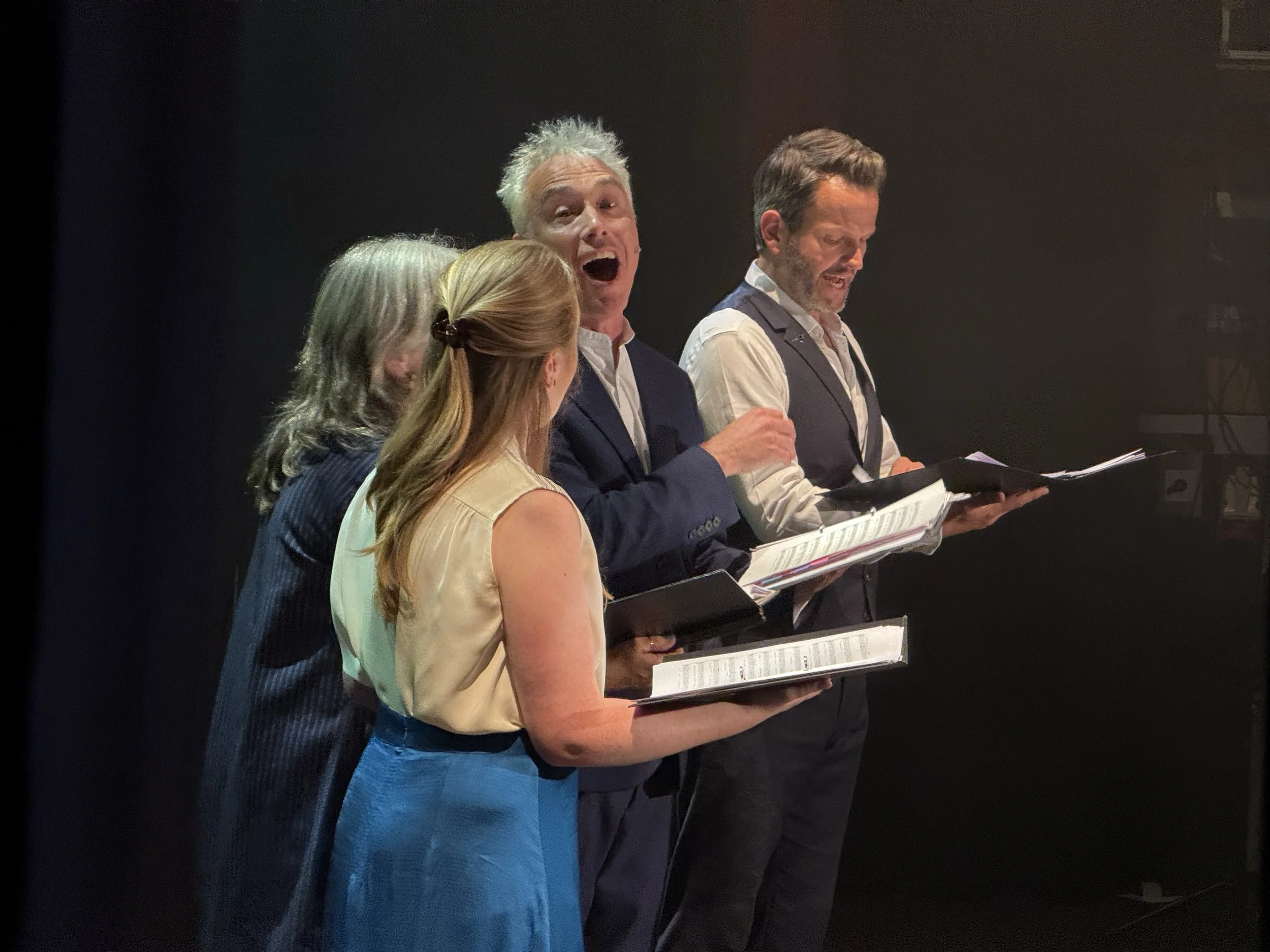
The sounds of the viola da gamba, the Moroccan gimbri and the kora blend together with the voices of four exceptional professional singers and the calls of songbirds from Europe and Africa. It is a unique and evocative sound world that tells a very particular story.
Originally commissioned by the Brighton Early Music Festival in 2023, The Whispering Dome has recently won the “Extra-European Project of the Year” at the prestigious REMA Awards.
We are delighted to offer this award-winning and innovative performance to festivals, concert halls and events in 2027 and beyond.
the TRAvelling FLYWAY Festival 2028
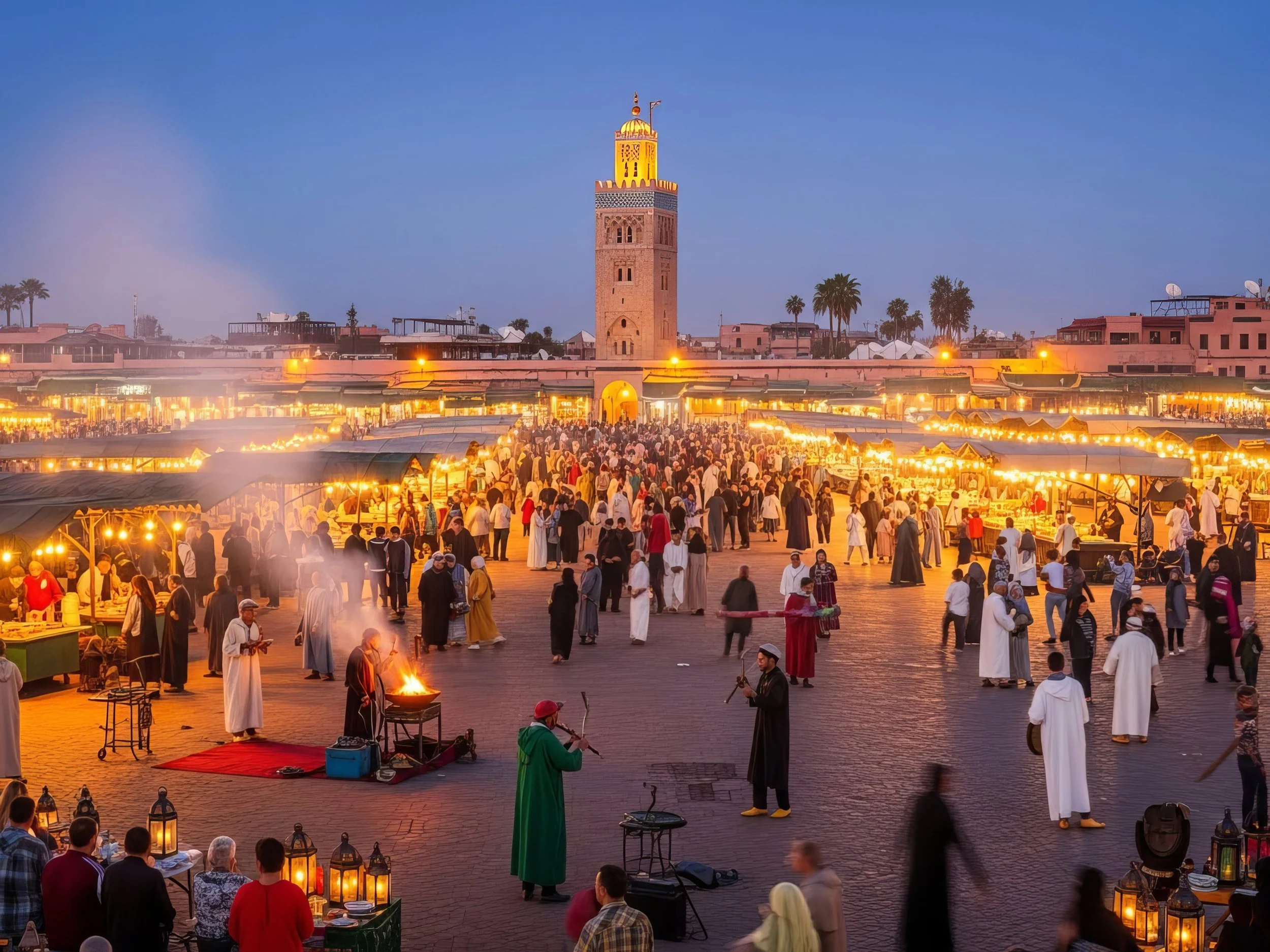
In 2028, The Whispering Dome will also become a travelling music and environmental festival, moving north in time with the nightingale population’s migration from West Africa to Northern Europe'.
The core musicians will travel from Nigeria towards the UK, performing the Whispering Dome concert at more than 20 locations along the route. At each stop, the arrival of the nightingales will herald the start of a local Bird Festival: a cultural celebration bringing together the project’s musicians with local singers, musicians, dancers, actors, schools, environmental organisations and cultural partners.
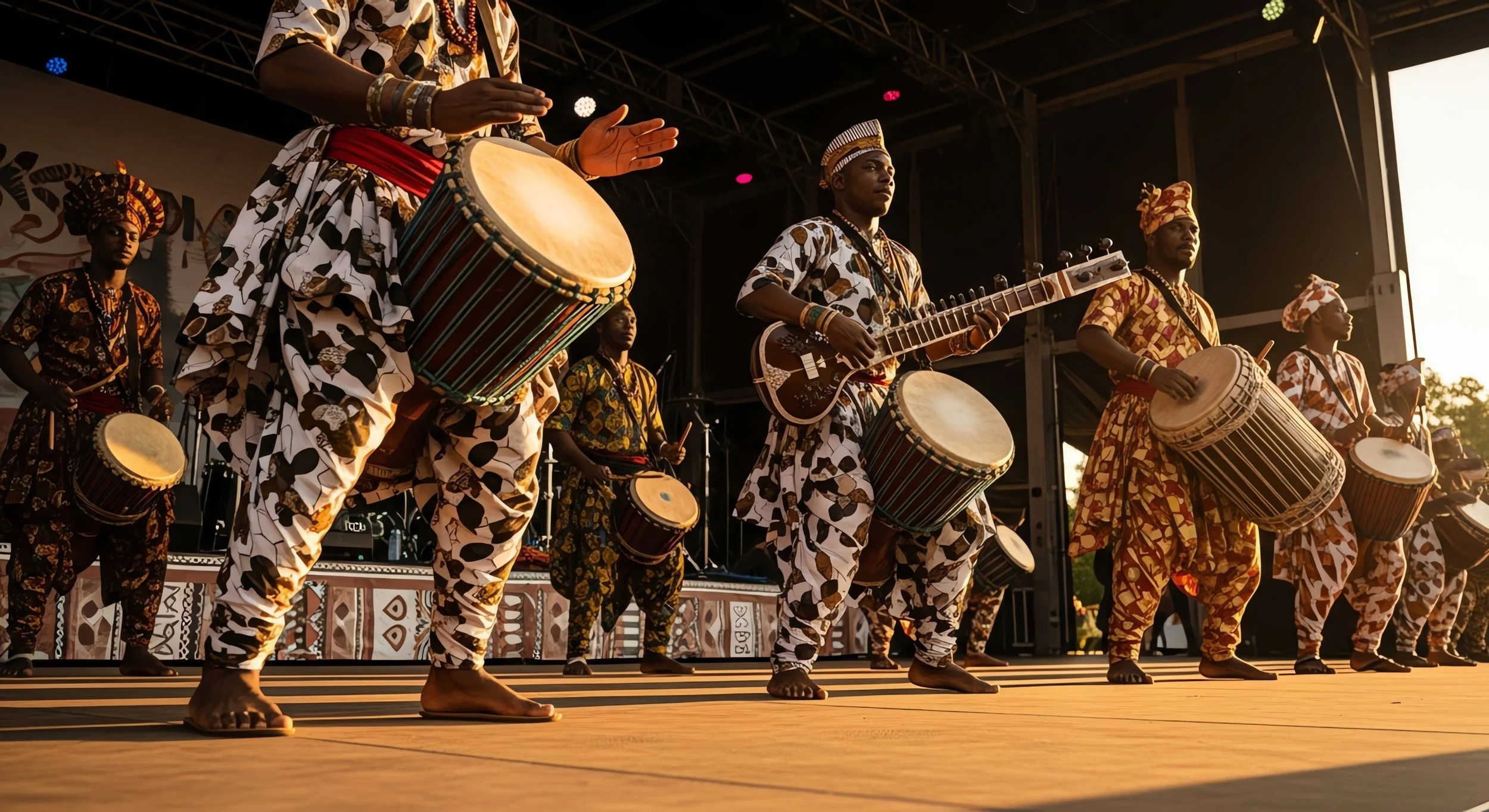

Each “Flyway Festival” will be an event unique to its place with the Whispering Dome concert at its heart : some will be outdoor performances in the middle of a bustling city, some will be live-streamed direct from rural areas.
Workshops and participatory events will invite local communities to explore the connections between birds, music, migration and the natural world, while a strong social media offering will raise awareness about habitat loss, biodiversity protection and the ancient but endangered migratory flyways between Africa and Europe.